“Fall” Back into Your Best Skin: Why Now is the Best Time for Morpheus8 and LumeccaIPL
Ready for Your Best Skin Yet?
As the seasons change, many people update their wardrobes and skincare routines. Fall and winter are also a great time to focus on professional skin treatments.
If you want firmer skin, fewer wrinkles, or a more even complexion, Morpheus8 and Lumecca may help you reach your goals.
These treatments work in different ways, but both can help your skin look smoother, clearer, and more refreshed. Whether you want firmer skin, smoother texture, fewer dark spots, or a brighter complexion, Morpheus8 and Lumecca may help you feel more confident in your skin. Fall and winter are a smart time to begin. With less sun exposure and plenty of time for results to develop, you can start working toward refreshed, radiant-looking skin before the warmer months arrive.

Morpheus8: Improve Skin Firmness and Texture
Morpheus8 combines microneedling with radiofrequency energy. Tiny needles create controlled micro-injuries in the skin while radiofrequency energy delivers heat to deeper layers.
This process helps stimulate collagen and elastin and these are natural proteins that help keep skin firm, smooth, and youthful-looking.
Morpheus8 may help improve:
Fine lines and wrinkles
Mild to moderate skin laxity
Loose skin around the jawline, cheeks, and neck
Uneven skin texture
Enlarged pores
Acne scars
Stretch marks
Loss of firmness in certain areas of the body
Lumecca: Brighten and Even Out Your Skin Tone
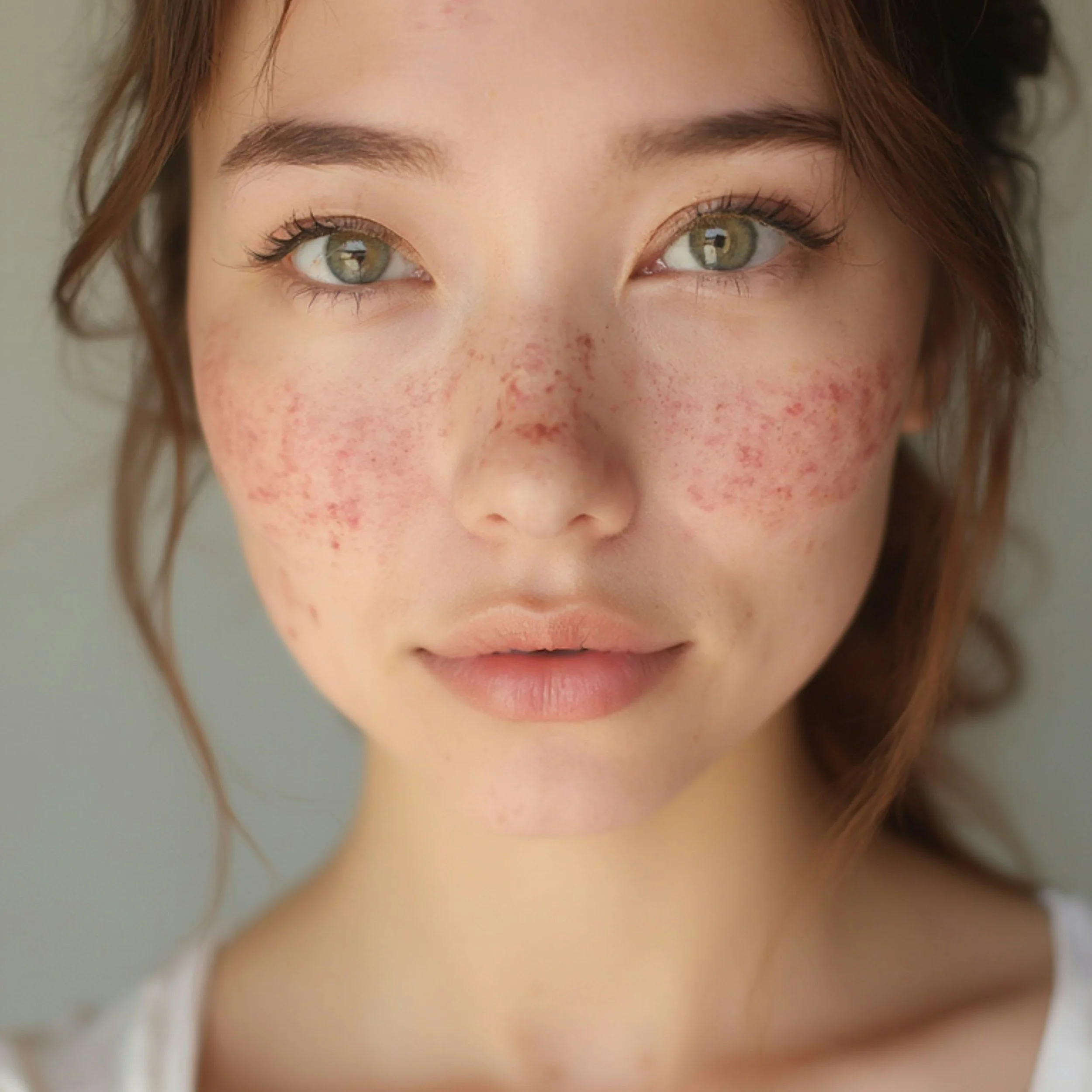
Lumecca is an intense pulsed light, or IPL, treatment. It uses pulses of light to target unwanted pigment and visible redness in the skin.
Over time, the treated pigment may become darker, flake, or fade. This can leave your complexion looking brighter and more even.
Lumecca may help improve:
Sun spots
Age spots
Freckles
Uneven skin tone
Brown discoloration
Redness
Small visible blood vessels
Some signs of sun damage
A dull or uneven complexion
Can Morpheus8 and Lumecca Be Used Together?
Morpheus8 can help improve firmness, wrinkles, and texture. Lumecca can help reduce discoloration and redness. Together, they may address several common concerns at once. Your provider will decide whether to combine treatments or schedule them separately. The right plan depends on your skin type, goals, medical history, and how your skin responds to treatment.
Why Fall and Winter Are the Best Seasons
These treatments may be performed at different times of the year, but fall and winter are often the most ideal.
There is usually less sun exposure: After treatment, your skin may be more sensitive to sunlight. Fall and winter often bring less intense sun and fewer long days spent outdoors. This can make it easier to protect your skin while it heals.
There may be a lower risk of discoloration: Sun exposure after a skin treatment maynincrease the risk of unwanted darkening, also called hyperpigmentation. Limiting sun exposure can support a smoother recovery and help protect your results. Daily sunscreen is still important, even in colder months. Choose a broad-spectrum sunscreen with SPF 30 or higher and follow your provider’s instructions.
You have time to see results: Morpheus8 results develop gradually as your body builds new collagen. Lumecca may require more than one session, depending on your skin concerns. Starting in the fall or winter gives your skin time to heal and improve before spring and summer events begin.
It’s easier to plan around downtime: You may experience redness, swelling, sensitivity, or other temporary changes after treatment. Cooler months can make it easier to stay out of the sun and avoid activities that may irritate your skin.
Who May Not Be a Candidate?
Morpheus8 and Lumecca are not right for everyone. Treatment may need to be delayed or avoided if you have certain medical conditions, active skin infections, open wounds, or a recent tan.
Some medications, skin conditions, pregnancy, implanted medical devices, or a history of abnormal healing may also affect your treatment options. Lumecca may not be appropriate for every skin tone or pigmentation concern.
A consultation is the best way to determine whether treatment is safe and suitable for you.